
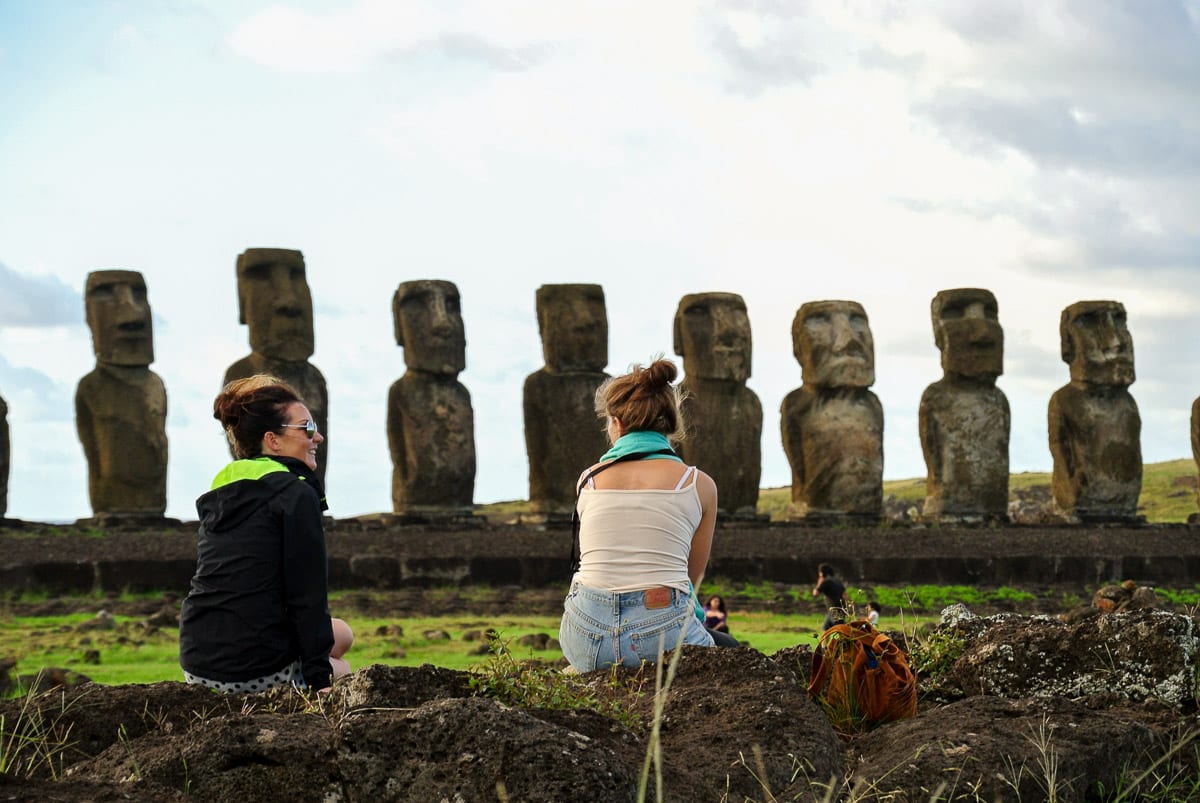
A trip to Easter Island (Rapa Nui) is one of those journeys everyone calls “expensive”… but how expensive is it really in 2026, and where does the money actually go? Thinking in terms of a full budget breakdown helps a lot more than just hearing “it’s pricey”. Below you’ll see realistic ranges for flights, hotels, food, tours, and extras, plus example budgets for backpack, mid‑range, and more “comfort” style travelers.
As you read, try to estimate which budget tier fits your own style; that will make it easier to plug in your own numbers later.
1. The Big Ticket: Flights to Easter Island
The single largest cost for most travelers is getting to the island. Easter Island sits in the middle of the Pacific, several hours’ flight from mainland Chile.
- Typical route: You fly to Santiago (SCL) and from there take a 5‑hour flight to Easter Island (IPC).
- Package examples: Some 2025–2026 vacation packages that include flights and hotels are quoted from several thousand dollars per person, especially when starting outside South America.
For a standalone return flight Santiago–Easter Island, travelers’ trip reports and budget guides often show that this internal leg alone can cost several hundred dollars per person, depending on season and how early you book.
If you are writing for Latin American readers, it helps to clarify that the international ticket to Santiago is a separate cost; once in Santiago, the “island add‑on” flight is the key figure to research and book early.
2. Accommodation: From Camping to Luxury Lodges
Lodging is the second major component. Because the island is remote and supply is limited, average hotel prices are higher than in mainland Chile.
Budget and mid‑range
Budget travelers who have shared their expenses online show that by choosing simple guesthouses, hostels or camping, they can bring the accommodation cost down significantly, sometimes spending a few hundred dollars total for several nights.
- Basic guesthouses or hostels: cheaper nightly rates, sometimes with shared bathrooms and basic kitchens.
- Camping or cabanas: an option for backpackers who are comfortable cooking and bringing some supplies.
Upper mid‑range and luxury
At the other extreme, high‑end hotels and lodges can easily cost several hundred dollars per night, especially those with ocean views, spas, or all‑inclusive exploration programs.
- Luxury lodges and design hotels often appear in “best hotels in Easter Island” and “luxury” lists, with top properties like Explora Rapa Nui and Nayara Hangaroa consistently rated highly.
- Some are all‑inclusive (including meals and excursions), which raises nightly rates but reduces variable spending.
For a 4‑night stay, your lodging budget can range from relatively modest (simple hospedaje or camping) to very high (full‑service luxury lodge); this alone can multiply the total budget by 3–5x.
3. Food and Groceries: Why It’s More Expensive
Everything on Easter Island has to be imported by plane or ship, so food is noticeably more expensive than in mainland Chile.
Travel budget articles and backpacker reports highlight that:
- Buying groceries on the island costs more than on the mainland, with some guides suggesting budgeting at least a dollar or two per piece of fresh fruit or vegetable and over 10–15 USD for basic takeaway meals.
- Cooking your own meals and bringing some non‑perishable food from mainland Chile can significantly reduce food expenses, particularly for longer stays.
Restaurant prices also scale with location and style. A simple local lunch can be relatively affordable, whereas seafood dinners in scenic spots or hotel restaurants quickly push the daily food cost upward.
4. Tours and Activities: Where You Decide How Deep to Go
Once flights and lodging are set, tours become the main variable that determines whether you have a minimal or a richly guided experience.
Guided tours and multi‑day packages
- Multi‑day tour packages advertised for Easter Island typically group sightseeing, guiding, and sometimes accommodation, with total per‑person prices that reflect the island’s remoteness and limited capacity.
- Some independent travelers report paying around 100,000 CLP (roughly around 100–110 USD) for a day‑and‑a‑half guided tour covering major sites, which they found to be the cheapest good option they could find.
DIY with a rental car
Other budget strategies include renting a car for 1–2 days to visit sites independently, combined with one guided day tour for deeper context. This can make sense for small groups who share the car cost and feel comfortable driving and navigating.
Special experiences
Add‑ons like stargazing sessions, cultural dance shows, and diving or snorkeling trips also contribute to the activity budget. Because Easter Island is famous for dark skies and striking seascapes, many travelers feel these extras are worth including.
5. Rapa Nui National Park Ticket
Almost all the iconic sites—moai platforms, Rano Raraku quarry, Orongo—are inside Rapa Nui National Park and require a park ticket. Budget breakdowns and guides consistently point out this as a non‑negotiable fixed cost.
- Recent guides have cited park fees around 70–100 USD per adult in recent years, payable online or on arrival, granting access to most sites during the stay.
- This ticket is separate from your individual tours; even if you book a guided excursion, you still need the park pass.
This is an easy line item to forget, so it’s worth calling it out clearly in any budget breakdown.
6. Local Transport and Miscellaneous Costs
On top of the big categories, there are several smaller but important costs:
- Airport transfers: Some hotels include transfers; others require you to pay separately or take a taxi.
- Local transport: Bicycles, scooters, or rental cars for independent exploration.
- Souvenirs and handicrafts: Wood carvings, art and textiles from local markets.
- Travel insurance: Given how remote the island is, many travelers add insurance as a sensible extra.
While each of these items is small compared to flights or lodging, together they can add a noticeable amount to the final budget.
7. Example Budget: Backpacker / Frugal Traveler (3–4 Days)
Using numbers from backpacker‑oriented guides and trip reports as a reference, it’s possible—but not “cheap” in absolute terms—to visit Easter Island on a tight budget if you are flexible and prepared.
A frugal budget might look like this for a 3–4 day stay (excluding the international flight to Santiago):
- Santiago–Easter Island return flight: a few hundred dollars, depending on season and booking timing.
- Accommodation: several nights in a hostel, camping or basic cabana, totaling a few hundred dollars or less if split in a group.
- Food: mainly groceries, simple meals, and limited restaurant visits; backpackers who shared their numbers show that bringing food from the mainland and cooking can keep this fairly low for the stay.
- Activities: one main guided tour (around 100 USD) plus independent exploring on foot or by bike, plus the park ticket as a fixed cost.
Travelers who meticulously tracked their expenses sometimes report basic total trip costs without food in the 400–500 GBP range for a short stay when taking advantage of deals and self‑catering. Adding food and other items will, of course, increase that.
For your readers, the key message is: with hostel or camping stays, self‑catering, and one or two carefully chosen tours, Easter Island becomes expensive but not impossible.
8. Example Budget: Comfortable Mid‑Range Traveler (4–5 Days)
Most readers fall into a mid‑range category: they want a private room, some restaurant meals, and a couple of guided tours, but not ultra‑luxury.
A mid‑range 4–5 day budget might include:
- Round‑trip Santiago–Easter Island flight at standard published fares.
- 4–5 nights in a mid‑range hotel or boutique guesthouse (non‑luxury but comfortable), possibly with breakfast included. Main hotel search engines show a range of such properties on Easter Island.
- A mix of restaurant meals and simple food, budgeting sensibly for island prices.
- 1–2 full‑day guided tours plus the park ticket, potentially complemented by a rental car day.
- A few extra experiences: a cultural show, maybe snorkeling or a short hike.
Total costs for this profile still reflect the premium of a remote island, but the experience is significantly more comfortable and guided than the backpack option.
9. Example Budget: High‑End or “Once‑in‑a‑Lifetime” Traveler (4–6 Days)
For some travelers, Easter Island is a bucket‑list trip where they prefer to stay in a luxury lodge or resort and let the hotel handle logistics.
A high‑end budget might look like this:
- Santiago–Easter Island flight, often booked with some flexibility or in higher fare classes.
- 4–6 nights in a high‑end hotel, possibly all‑inclusive with guided excursions, gourmet meals, and spa access.
- Additional activities or private tours booked either through the hotel or specialized operators.
- Souvenirs, spa treatments and other extras at premium prices.
Total spending here can reach several thousand dollars per person, especially if combined with other destinations in a broader Latin America itinerary. For your article, it helps to frame this as a “private expedition” level of budget, emphasizing the quality of guiding, comfort, and unique setting.
10. How to Reduce Costs Without Ruining the Experience
Many guides emphasize that while Easter Island will probably never be “cheap”, there are tactics that reduce costs without sacrificing the core experience.
Strategic ways to save:
- Book flights early and flexibly: Being flexible on dates and buying in advance can shave a significant amount off the airfare.
- Travel in shoulder season: Avoiding peak holiday periods can lower both flight and hotel prices and still offer good weather.
- Self‑cater wisely: Bring non‑perishable food from mainland Chile and use hostel or cabin kitchens to reduce restaurant bills.
- Choose one excellent guided tour: Invest in a high‑quality full‑day tour that covers key sites and then explore others independently, rather than booking multiple overlapping tours.
- Stay shorter but better: A 3–4 day focused trip might give more value than a longer stay where every extra day compounds high costs.
These tips are powerful lead magnets or checklist sections for your blog post (e.g., “7 ways to visit Easter Island without going broke”).
11. Is Easter Island Worth the Money?
Many travelers who publish their budgets online still conclude that Easter Island is worth the money despite the high costs, precisely because there is simply no other place like it. The combination of isolation, history, moai, volcanic scenery, and Rapa Nui culture makes it a unique, emotionally resonant destination.
From a budget perspective, the crucial idea for 2026 is this: Easter Island is expensive, but how expensive depends heavily on the style of travel you choose. Once readers see the breakdown—flight, lodging, food, tours, park ticket, extras—they can realistically choose whether they want a lean backpacker adventure, a comfortable mid‑range stay, or a full luxury experience.