Planning a trip to Chile — South America’s breathtaking “thin country” stretching from the driest desert on Earth to Patagonian glaciers — is an exciting endeavor. But before you pack your bags and book your flight, understanding Chile’s visa requirements is essential. Whether you’re a budget backpacker, a business traveler, or a digital nomad eyeing a longer stay, this comprehensive guide covers everything you need to know about entering Chile legally and stress-free.
Do You Need a Visa for Chile?
The short answer for most travelers is: no. Citizens of over 100 countries can enter Chile visa-free for tourism, receiving a 90-day tourist permit on arrival. This includes most European, North American, Australian, and many Latin American citizens. However, since September 17, 2025, Chilean Decree No. 359 introduced a mandatory prior authorization or visa requirement for nationals of 104 specified countries seeking entry under the “Temporary Stay Permit” category. This was enacted under Article 27(2) of Chile’s Migration and Foreigners Law, which allows the government to impose such requirements for reasons of national interest or international reciprocity.
The key takeaway: your nationality determines everything. Always verify your country’s current status with the Chilean Ministry of Foreign Affairs or your nearest Chilean consulate before booking your trip.
Visa-Free Countries: Who Can Enter Without a Visa?
As of 2026, regular passport holders from 88 countries can visit Chile for tourism without obtaining a visa in advance. Upon arrival, they receive permission for a short-term stay automatically. The visa-free list includes:
Europe: All EU member states, the United Kingdom, Switzerland, Norway, and Iceland.
The Americas: The United States, Canada, Mexico, Argentina, Brazil, Colombia, Peru, Bolivia, Ecuador, Paraguay, Uruguay, and most other South and Central American nations.
Asia-Pacific: Australia, New Zealand, Japan, South Korea, Singapore, Malaysia, Hong Kong, and Macao.
Other regions: Israel, South Africa, Turkey, Ukraine, the United Arab Emirates, and Vietnam, among others.
Most visa-free travelers are granted 90 days upon entry. However, citizens of certain countries — notably some in Asia and the Caribbean — are granted only 30 days. It is critical to check specifically how many days your nationality is entitled to, as overstaying carries significant immigration penalties.
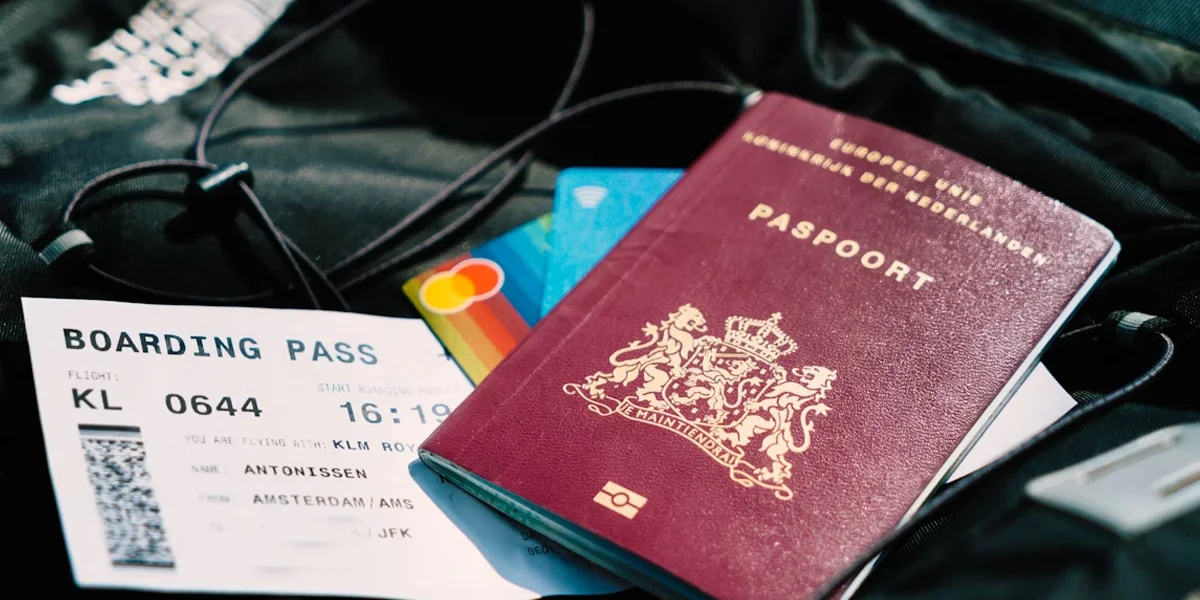
Pro tip: Even visa-free travelers must carry a valid passport in good condition throughout their stay. Chile does not require the passport to be valid for 6 months beyond your departure date — only for the duration of your stay — but having extra validity is always recommended.
The Tourist Card (Tarjeta de Turismo)
When you land in Chile visa-free, you’ll receive a Tourist Card (Tarjeta de Turismo) at the port of entry. This card is your official permission to remain in the country. It is valid for up to 90 days and must be kept safely throughout your trip — you’ll need to surrender it when you exit Chile.
Lost your Tourist Card? You must visit the nearest office of the Servicio de Migraciones (SERMIG) to report the loss and obtain a replacement before you can leave the country. Losing it can cause serious delays at the airport.
Extending Your Stay: Can You Stay Longer Than 90 Days?
Yes, it is possible to extend your tourist stay beyond the initial 90 days. You can extend your Tourist Card for an additional 90-day period by paying a fee of USD $100 at the Chilean Immigration Office (Servicio de Migraciones). This must be done before your initial 90 days expire.
This extension is granted once only. You cannot renew it again after the second 90-day period ends. If you want to remain in Chile for a longer period — such as working, studying, or living there — you must apply for the appropriate long-term residence visa before arriving in Chile.
Important: Since 2022, Chile no longer allows tourists to switch from a tourist permit to a temporary residence visa while inside the country, except in cases of family reunification or pregnancy. Plan ahead if you intend to stay long-term.
Who Needs a Chile Visa?
If your country is not on the visa-exempt list, you will need to apply for a Temporary Stay Visa before traveling to Chile. Since September 2025, even some nationalities that previously enjoyed visa-free access may now require prior authorization. The countries affected by Decree No. 359 should consult Chile’s official migration portal or the nearest Chilean consulate to confirm their status.
Common nationalities that typically require a visa include those from parts of Africa, the Middle East, and South/Southeast Asia not on the visa-exempt list.
How to Apply for a Chile Visa
The Chilean government has streamlined the visa application process, allowing applications to be submitted online through the Consular Attention System (SAC). Here is a step-by-step breakdown:
- Log in to the SAC platform at the official Chilean consular website.
- Fill out the online visa application form accurately and completely.
- Upload all required documents in PDF format, named according to the system’s guidelines (e.g., YourLastName_FlightReservation).
- Pay the application fee securely online within 30 days of receiving payment instructions.
- Attend an in-person interview at your nearest Chilean consulate or embassy when requested.
- Receive your approved visa by email or collect it from the consulate where you applied.
Processing time is typically 3 business days or less, though this can vary depending on consulate volume and application complexity.
Required Documents for a Chile Visa
When applying for a Chilean tourist or temporary stay visa, you will generally need to provide the following documents:
- Valid passport — must be valid for at least the duration of your intended stay (many consulates prefer 6 months of validity beyond travel dates)
- Recent color passport photo — full frontal, white background, 5cm x 5cm
- Completed visa application form — filled out online through SAC
- Round-trip flight itinerary and reservation
- Hotel reservation or proof of accommodation — or a notarized invitation letter from a Chilean host with contact details
- Bank statements from the past three months — demonstrating financial solvency
- Cover letter explaining the purpose and duration of your trip
- Letter of invitation (if applicable)
- Proof of legal residence in your current country of residence
All documents must be uploaded in PDF format. Incomplete applications or incorrectly named files may result in delays or rejection.
The Single Entry Form (FUI): A Must for All Travelers
Regardless of whether you are visa-exempt or visa-holding, all travelers entering Chile must complete the Single Entry Form (FUI) within 48 hours prior to their flight. This is a mandatory digital health and immigration form. Failure to complete it may result in boarding denial or delays at Chilean immigration.
You can complete the FUI online through Chile’s official immigration portal. It requests basic personal data, travel information, and your accommodation details in Chile.
Special Entry Rules to Know
Diplomatic and Official Passport Holders
U.S. citizens (and travelers from other countries) traveling on diplomatic or official passports are required to obtain a visa in advance, even if their regular tourist passport would otherwise be visa-exempt. This is a commonly overlooked rule that can cause serious disruptions if ignored.
Dual Nationals
Dual nationals who hold Chilean citizenship must enter and exit Chile using their Chilean passport — not their other nationality’s passport. Attempting to enter on a foreign passport as a dual Chilean national may cause complications with immigration authorities.
South American Citizens with National ID
Citizens of several South American countries — including Argentina, Bolivia, Brazil, Colombia, Ecuador, Paraguay, and Peru — can enter Chile using only their national identity card (cédula de identidad) instead of a full passport. This applies only to short stays and makes cross-border travel within the Southern Cone significantly easier.
Long-Term Visa Options
For travelers planning to live, work, or study in Chile beyond 180 days, several long-term visa categories are available:
- Temporary Residence Visa: For workers, students, retirees, and those with family ties in Chile. Must be applied for before arrival since 2022.
- Work Visa: Requires a job offer from a Chilean employer and submission of labor contract documentation.
- Student Visa: Requires enrollment confirmation from a recognized Chilean educational institution.
- Digital Nomad Visa: Chile has been exploring options for remote workers, though travelers should confirm the latest status with Chilean authorities before applying.
Key Entry Requirements at a Glance
| Requirement | Details |
|---|---|
| Passport validity | Valid for duration of stay |
| Tourist stay (visa-free) | Up to 90 days (some nationalities: 30 days) |
| Extension fee | USD $100 at SERMIG |
| FUI form | Required within 48 hours before flight |
| New prior authorization rule | Effective Sept. 17, 2025 (104 countries) |
| Visa application portal | Chile’s SAC (Consular Attention System) |
| Processing time | ~3 business days |
Final Tips Before You Travel
Preparing for Chile is largely about doing your homework. Here are a few essential reminders before departure:
- Check the latest list of visa-exempt and prior-authorization-required countries directly on Chile’s official Migration Service website (serviciomigraciones.cl), as policies have changed recently.
- Complete your FUI form within 48 hours of your flight — not sooner.
- Keep your Tourist Card safe throughout your stay; losing it will create headaches at the border.
- Budget enough funds — immigration officers may ask for proof of financial solvency even for visa-free travelers.
- Book refundable tickets and accommodation until your visa is confirmed, especially if your country now requires prior authorization under Decree No. 359.
Chile is one of the safest, most rewarding destinations in Latin America, and for the vast majority of travelers, getting in is straightforward. A little preparation goes a long way toward ensuring your Chilean adventure starts on the right foot from the moment you land.