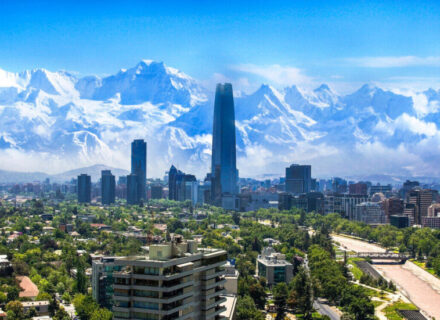
Chile is not a country that does things halfway. Stretching over 4,300 kilometers from the driest desert on Earth in the north to the wind-ravaged glaciers of Patagonia in the south, Chile is one of the most geographically dramatic nations on the planet — and for adventure travelers, that translates into an almost absurd abundance of experiences. Whether you want to trek through granite wilderness, carve fresh powder on Andean volcanoes, surf Pacific swells, or cycle across lunar landscapes, Chile delivers world-class adventure at every latitude. This is your complete guide to adventure travel in Chile.
Why Chile Is a World-Class Adventure Destination
Chile’s geography is its greatest asset and its most powerful draw. The country contains 7 of the world’s major climatic zones within a single national border, from hyperarid desert to subpolar tundra. To the east, the Andes Mountains form an almost unbroken spine of peaks, volcanoes, and glaciers running the full length of the country. To the west, the Pacific Ocean offers over 6,000 kilometers of coastline. Between them lie dense temperate rainforests, the world’s largest exposed copper mines, ancient Araucaria forests, and the wild lakes and rivers of the Lake District.
The result is a destination where world-class hiking, skiing, surfing, whitewater rafting, mountain biking, and rock climbing coexist within a remarkably compact and accessible adventure ecosystem. Chile also benefits from strong adventure tourism infrastructure — experienced guiding companies, well-maintained national parks, and a growing network of adventure lodges and wilderness camps that make remote experiences increasingly accessible to travelers of all fitness levels.
Hiking: Chile’s Most Popular Adventure
Torres del Paine — The W Trek & O Circuit
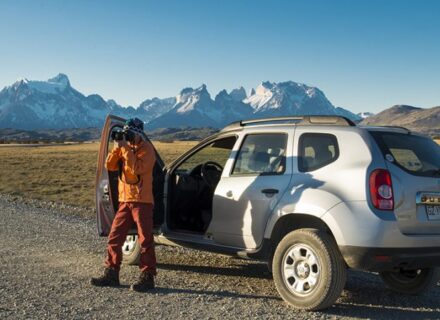
No conversation about hiking in Chile begins anywhere except Torres del Paine National Park in Chilean Patagonia. The W Trek — a 70-kilometer, 4 to 5-day route through the park’s three most iconic valleys — is one of the most celebrated multi-day hikes in the world. The trail passes through the French Valley glacier amphitheater, across Grey Lake toward the ancient Southern Patagonian Ice Field, and culminates in the breathtaking viewpoint at the Base of the Towers — the granite monoliths that give the park its name.
For those seeking a deeper challenge, the O Circuit extends the W into a full 130-kilometer loop around the Paine Massif over 8 to 9 days, venturing into the park’s remote, crowd-free northern backcountry. The full circuit is widely regarded as one of the finest long-distance hikes in the Southern Hemisphere, combining glacier views, wildlife encounters — including guanacos, Andean condors, and the increasingly observable Patagonian puma — with genuine wilderness solitude.
Booking refugio beds and campsites well in advance is essential; peak season slots sell out months ahead. Entrance to the park requires a pre-purchased CONAF ticket, and hikers should prepare for Patagonia’s famously volatile weather with waterproof gear and layered insulation regardless of the season.
Atacama Desert — Trekking at Altitude
The Atacama Desert offers a completely different kind of hiking adventure. Trails here wind through volcanic landscapes at altitudes of 3,000 to 5,000 meters, past salt flats, geothermal fields, and Andean lagoons tinted impossible shades of turquoise and red by mineral deposits and algae. The Valle de la Luna, the Quebrada del Diablo, and the high-altitude circuits around Piedras Rojas offer multi-hour hikes with otherworldly scenery that is genuinely unlike anything else on Earth.
The altitude is the critical variable here. Acclimatization at San Pedro (2,400 meters) for at least 24 hours before attempting higher elevation hikes is non-negotiable. Dehydration and altitude sickness are real risks, and the sun at these elevations is exceptionally intense — sunscreen, sunglasses, and generous water supplies are essential equipment.
Villarrica & Osorno Volcanoes — The Lake District
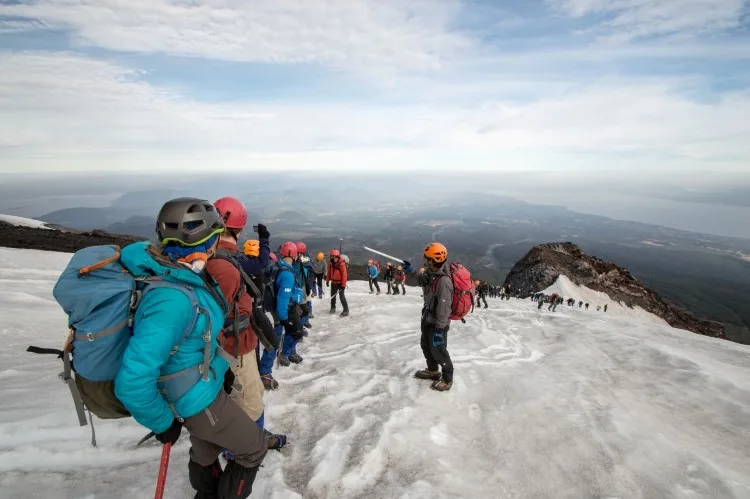
Chile’s Lake District (Región de Los Lagos) offers some of the country’s most scenic and accessible hiking on and around its spectacular chain of active volcanoes. The Villarrica Volcano (2,847m) near Pucón is one of South America’s most active volcanoes and also one of its most climbed — guided summit hikes depart daily during the season, with crampons and ice axes provided. The view from the crater rim, gazing down into an active lava lake, is as primal an experience as adventure travel offers.
The Osorno Volcano near Puerto Montt and the trails around Conguillío National Park — home to ancient Araucaria (monkey puzzle) trees around the active Sierra Nevada volcano — round out a Lake District hiking menu that rivals Patagonia in scenic beauty if not quite in global fame.
Skiing: Andean Powder Above the Clouds
Chile’s ski season runs from June through October — perfectly counter-programmed to the Northern Hemisphere’s ski calendar, making Chilean resorts a magnet for powder-hungry skiers and snowboarders from North America and Europe during their summer off-season.
Valle Nevado
Located just 60 kilometers from Santiago at altitudes between 2,860 and 3,670 meters, Valle Nevado is Chile’s largest and most internationally celebrated ski resort. With 37 runs covering all difficulty levels, a vertical drop of 800 meters, and an annual snowfall that regularly exceeds 4 meters of dry Andean powder, Valle Nevado is consistently ranked among the top ski destinations in the Southern Hemisphere. The resort also offers heliski packages that access vast untracked terrain in the surrounding Andes — a world-class experience for expert skiers willing to invest in it.
Portillo
Legendary Portillo, high in the Andes on the road to Mendoza at 2,880 meters above sea level, is one of the most storied ski resorts in the world. Established in 1949, it has hosted World Cup speed events and remains a training destination for elite alpine teams from Europe and North America taking advantage of its August–September peak season. The resort’s iconic yellow hotel, perched above the brilliant blue Laguna del Inca, creates a uniquely intimate atmosphere — Portillo admits a maximum of 450 guests at a time, giving it the atmosphere of a mountain house party rather than a commercial resort.
El Colorado & La Parva
Sitting on the same cordillera above Santiago as Valle Nevado, El Colorado and La Parva are popular with Santiago locals for their accessibility and consistent snow. El Colorado is the larger of the two, with extensive beginner and intermediate terrain; La Parva is more intimate and slightly more upscale, favored by Santiago’s ski community for its club atmosphere and reliable grooming.
Villarrica-Pucón
In the Lake District, the ski slopes of Villarrica Volcano near Pucón offer a genuinely unique experience: skiing on an active volcano. The resort is smaller than the Andes giants but the novelty of skiing above an active lava lake — with the lake and the forested Araucanía landscape spreading below you — makes it unlike any other ski experience on the continent.
Surfing: Pacific Swells & Cold Water Excellence
Chile’s extensive Pacific coastline generates consistent, powerful surf year-round, and the country is increasingly recognized in the global surf community as a serious destination. The water is cold — influenced by the Humboldt Current — so a good wetsuit is non-negotiable, but the waves make the thermal discomfort entirely worthwhile.
Pichilemu, 370 kilometers south of Santiago, is Chile’s undisputed surf capital. The breaks at Punta de Lobos — a big-wave reef break regularly holding waves of 10 to 15 feet and occasionally much larger — have hosted international surf competitions and earned a reputation as one of South America’s premier big-wave destinations. The town itself has a laid-back surf culture with plenty of schools and board rentals for beginners.
Further north, Iquique in the Atacama region offers warm-water surfing alongside paragliding and kitesurfing from the dramatic coastal cliffs — a multi-sport adventure hub that combines water and air sports in an extraordinary desert-meets-ocean setting.
Whitewater Rafting & Kayaking
Chile’s rivers, fed by Andean snowmelt and glacial runoff, offer some of the finest whitewater in the world across a full spectrum of difficulty levels.
The Futaleufú River in the Chilean Lake District is universally regarded as one of the top five whitewater rivers on Earth. Its continuous Class IV and V rapids through a turquoise glacial canyon make it a bucket-list destination for experienced kayakers and rafters. Several specialist operators offer multi-day expeditions on the Futaleufú combining camping, rafting, kayaking, and trekking — an immersive Patagonian river adventure.
The Trancura River near Pucón offers more accessible rafting in the Class III–IV range, making it a popular choice for travelers combining a first whitewater experience with volcano hiking in the Lake District.
Mountain Biking
Chile’s diverse terrain is a mountain biker’s dream, and the sport is growing rapidly across the country. The most celebrated destination is the Atacama Desert, where trails around San Pedro wind through salt flats, volcanic canyons, and open desert landscapes on natural packed surfaces that are ideal for fat-tire riding. Several San Pedro operators offer guided desert biking excursions ranging from half-day introductory rides to multi-day bikepacking adventures.
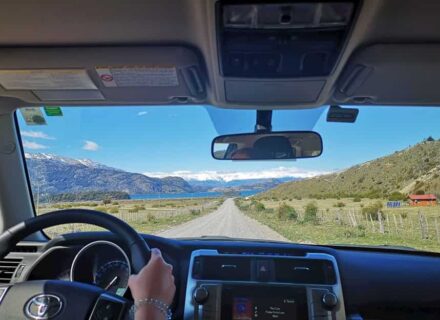
In Patagonia, the legendary Carretera Austral — a mostly unpaved 1,240-kilometer road running south from Puerto Montt through some of the world’s last untouched wilderness — has become one of the world’s great long-distance cycling routes. Cyclists ride for weeks through hanging glaciers, dense temperate rainforests, and remote fjords with virtually no traffic and extraordinary natural beauty at every turn.
Paragliding & Extreme Air Sports
Chile’s geography creates exceptional conditions for paragliding and hang gliding. Iquique, where coastal cliffs rise directly from the Atacama Desert, is one of the world’s premier paragliding destinations — thermals generated by the desert heat carry paragliders to extraordinary altitudes with stunning Pacific panoramas. The city hosts international paragliding competitions and offers tandem flights for first-timers year-round.
Near Santiago, the hills of Farellones and the Andes foothills offer additional paragliding zones accessible on day trips from the capital.
Rock Climbing
The granite walls of Torres del Paine and the Cochamó Valley in the Lake District represent Chile’s premier rock climbing destinations. Cochamó in particular — accessible only by horseback or on foot — is called “South America’s Yosemite” for its massive granite walls and multi-pitch climbing routes in a remote rainforest setting. The valley is increasingly attracting serious climbers from around the world who want big-wall experiences in a wilderness environment with very limited crowds.
Planning Your Chile Adventure Trip
A few key practical considerations apply across all adventure categories:
- Timing is everything — Patagonia’s trekking and climbing season runs October through April; the Andes ski season runs June through October; the Atacama and Lake District are accessible year-round but busiest in summer
- Book guided experiences early — Futaleufú rafting expeditions, Torres del Paine trek accommodation, and Villarrica volcano climbs all require advance reservation, often months ahead for peak season dates
- Altitude preparation — any adventure in northern Chile (Atacama, Altiplano) or at Andean ski resorts requires genuine acclimatization; plan rest days before intense physical activity above 3,000 meters
- Gear up properly — Chile’s extreme environments demand quality equipment; if you’re traveling light, rental gear of good standard is widely available in adventure hubs like San Pedro, Pucón, Puerto Natales, and Santiago
- Hire certified guides for technical terrain — volcano ascents, big-water kayaking, and glacier hikes involve genuine objective hazards; the difference between a certified local guide and a cheap unqualified operator can be a matter of safety, not just experience quality
Chile is, in the most literal sense, a country built for adventure. From the bone-dry Atacama to the howling granite spires of Patagonia, it offers a concentration of world-class adventure experiences that no other single country on Earth can match across such a diverse range of disciplines. Whatever your preferred medium — foot, ski, paddle, or bike — Chile will not disappoint.